Modernizing the Search Stack to Achieve Better Performance

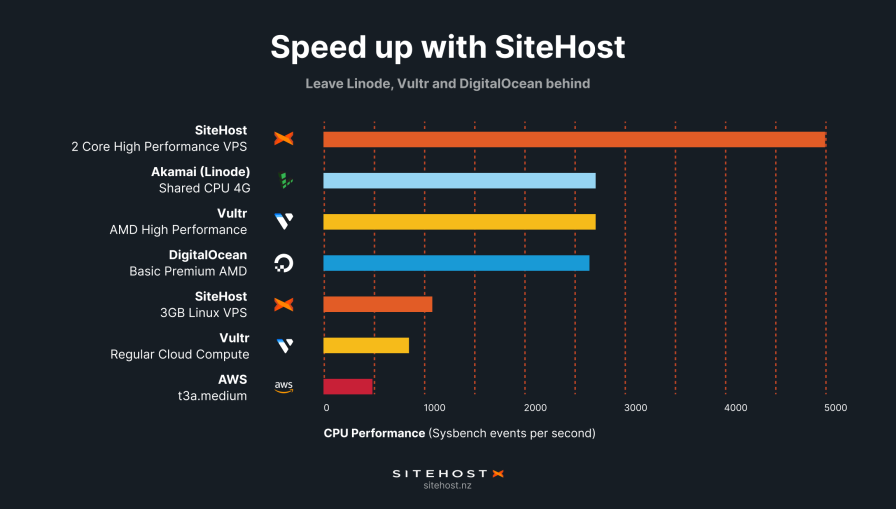
Simply by a little increasing the resources, we had the ability to see a huge jump in the efficiency. The server completed nearly with a. These numbers suggest that our server was limited by the number of resources throughout our first test. Let's crank it up even more and see if the numbers scale proportionally.
When we look at the numbers, they inform a different story. The variety of requests per 2nd metric saw just; additionally, the. You also need to be conscious of the possible drawbacks or obstacles of scaling RAM and CPU cores. Scaling RAM and CPU cores might cause some unexpected issues or conflicts that can break your site.
Or you may deal with some server mistakes or setup concerns that avoid your website from filling effectively. These concerns or conflicts can make your site unattainable or unusable until you fix them, or revert to the previous state. Numerous hosting suppliers require you to shut down your server before you can increase or decrease your server's RAM and CPU.This implies that your website will be offline for the period of the upgrade.

Crucial Performance Metrics to Support SEO Marketing
Scaling RAM and CPU cores can likewise affect the price of your hosting plan. Some suppliers and strategies might provide versatile or scalable pricing that adjusts to your resource usage. Others might charge you a repaired or flat rate despite your resource use. And others might have different tiers or levels of rates that represent various quantities of resources.
You need to consider just how much scaling will improve your website's performance and user experience, and how much it will increase your hosting expenditures. You need to also compare various suppliers and plans to discover the one that provides the very best value and quality for your site. Merely adding more RAM and CPU cores does not ensure better performance if there are other restricting aspects such as network speed, disk speed, or PHP workers.
Some hosting service providers limit the number of PHP employees available on your server. If you have too few PHP workers, your website might end up being sluggish or unresponsive when there are numerous concurrent visitors or intricate jobs. If you have too many PHP employees, they might take in excessive RAM and CPU resources, and trigger your server to crash.
Tossing money at the problem only works up to a point. Beyond that, you require to fine tune your application to consume less resources, and find the optimal balance between RAM, CPU cores, and PHP employees for your WordPress site based upon your traffic, material, and plugins. There are a number of ways to do this: You can use caching, a strategy that can enhance your WordPress efficiency by saving regularly accessed data in memory or on disk, and serving it much faster to visitors without invoking PHP workers.
You require to select the best caching solution for your WordPress site, depending on your requirements and choices., and get up and running in minutes.
Managing Critical Assets to Improve Automation Results
I have 10 projects that filled all the data fields with heavily spun posts (spintax), and I believe this is triggering high CPU usage. I am running on 400 threads with 40 semi-dedicated proxies.
No matter what, it hits 100% CPU use. This takes place just with one copy of GSA other works fine. Both running very same link list Can anybody suggest what might be wrong? The most significant confusion for me is that setting 1 active job results in around 20% CPU use, however it never uses the full quantity of threads.
Whats is the very best way to process 4million recognized targets. (i think there is a huge distinction with each importing technique Likewise why we can include an article macro from folder. I think it consume low memory then?.
It looks like you're brand-new here. If you wish to get involved, click among these buttons!
If you run SEO projects at any meaningful scale, you currently understand the aggravation. GSA Browse Ranker chewing through 100% of your CPU while you're attempting to compose content. Scrapebox harvesting URLs in the background while your laptop fan sounds like a jet engine. Shrieking Frog crawling a 500,000-page website and bringing your entire workstation to its knees for hours.