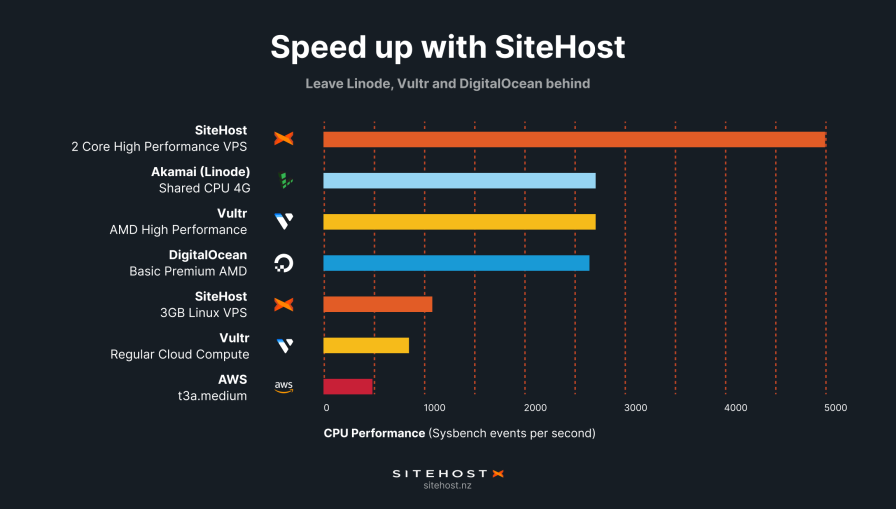
Evaluating CPU Requirements versus Memory in Automation

If SEO tools set off any IP-based rate limits or blocks, your individual browsing and other work remains unaffected. Getting your SEO tools working on a VPS is straightforward. Here's the complete procedure from buying to having your very first campaign running. Start by matching your tool requirements to the resource table above.

If you plan to run multiple tools all at once state GSA plus Scrapebox plus Yelling Frog arrangement 8+ cores and 16-32 GB of RAM. A couple of essential things to note: If most of your SEO targets are US-based websites, pick New York for the most affordable latency to those targets.
Every MassiveGRID Windows VPS consists of the Windows Server license no surprise licensing costs. Start with a configuration that matches your current requirements, and add more RAM as your GSA projects grow without altering your entire strategy.
Selecting Optimal RAM in Search Automation
After your VPS is provisioned (normally instant), you'll get the server's IP address and administrator qualifications. Link utilizing any RDP customer: Press Win + R, type mstsc, go into the server IP Download Microsoft Remote Desktop from the App Shop Usage Remmina or xfreerdp Microsoft Remote Desktop app for iOS/Android MassiveGRID consists of 2 concurrent RDP sessions on every Windows VPS, so you can have 2 team members connected all at once or keep one session active for keeping track of while you work from another.
Download installers from the main vendor websites, run them, enter your license secrets, and set up. A few tool-specific suggestions: Set up to the SSD (not a secondary drive). Import your project files and international website lists. Set your thread count based upon readily available CPU cores start with 100 threads per core and adjust based upon CPU utilization.
By default, it utilizes a conservative quantity of RAM. On a VPS committed to SEO work, designate 75-80% of offered RAM to Yelling Frog for big crawls.
How High Connectivity Infrastructure Boosts Ranking PerformanceUsage datacenter proxies for speed or residential proxies when you require to avoid detection the choice depends upon your specific usage case. Running proxies from a VPS in a professional information center is naturally more reliable than from a home connection. The steady, high-bandwidth connectivity indicates proxy connections drop less often, and your tools keep greater success rates.
Scalable Hardware Options to Handle SEO Link Building
Establish basic tracking so you understand if something goes incorrect without needing to inspect by hand: Configure alerts for critical system occasions, application crashes, and resource fatigue warnings. Inspect resource usage occasionally throughout the very first few days to guarantee your VPS specs match your actual work. If CPU or RAM regularly strikes 90%+, it's time to scale up.
Set up e-mail notices within GSA for campaign turning points or errors. A Windows VPS out of package is currently a major upgrade over running tools on your regional PC. With a few optimizations, you can squeeze significantly more efficiency out of your server. Windows Server runs lots of services by default that an SEO VPS does not require.
Disable the Windows Search service to reclaim CPU and disk I/O. Unless you're in some way printing from your VPS, disable it. It's likewise a typical attack vector, so disabling it improves security. Developed to accelerate application launches on desktops with spinning hard disks. On an NVMe SSD-backed VPS, it adds overhead without benefit.
How High Connectivity Infrastructure Boosts Ranking PerformanceReal-time scanning of GSA's database files and Scrapebox's output can develop significant I/O overhead. Include your tools' installation and information folders to the exclusion list rather than disabling Defender completely. SEO tools are I/O intensive. GSA Browse Ranker continuously checks out and writes to its job databases. Scrapebox creates big output files.
Crucial Server Monitoring for SEO Performance
Set up standard tracking so you understand if something fails without having to inspect manually: Set up informs for important system occasions, application crashes, and resource fatigue warnings. Examine resource usage occasionally throughout the very first couple of days to ensure your VPS specs match your real work. If CPU or RAM consistently strikes 90%+, it's time to scale up.
Set up email notifications within GSA for project turning points or errors. A Windows VPS out of the box is currently a major upgrade over running tools on your local PC.
Disable the Windows Browse service to recover CPU and disk I/O. Unless you're somehow printing from your VPS, disable it. It's likewise a common attack vector, so disabling it enhances security. Created to speed up application launches on desktops with spinning tough drives. On an NVMe SSD-backed VPS, it adds overhead without benefit.
Real-time scanning of GSA's database files and Scrapebox's output can create significant I/O overhead. Add your tools' setup and data folders to the exemption list rather than disabling Protector completely. SEO tools are I/O extensive. GSA Browse Ranker constantly reads and writes to its task databases. Scrapebox generates big output files.