Flexible Hardware Solutions to Handle Massive Link Building

Your campaigns keep running whether you're sleeping, taking a trip, or using your regional maker for other work. You connect by means of RDP whenever you need to check progress or adjust settings, and disconnect without interrupting anything. This guide covers everything you need to know from picking the best server specs for your specific tools, to establishing and enhancing your SEO VPS for optimal efficiency.
They're created to perform enormous amounts of work sending out countless requests, parsing millions of data points, crawling entire sites and they do it continuously. Here's why running them on your regional device develops genuine issues: GSA Browse Ranker and similar link-building tools need to run around the clock to preserve campaign momentum.
A website audit with Screaming Frog on a large e-commerce site can take 8-12 hours and if your laptop sleeps or loses internet halfway through, you begin over. GSA Browse Ranker with 100+ active tasks can easily take in 8+ GB of RAM and peg all your CPU cores at 100%.
Fine-Tuning Hardware Performance to Boost Search ROI
Running even among these tools strongly makes your computer unusable for anything else. SEO tools produce enormous quantities of network traffic. GSA can send thousands of demands per minute. Your home internet connection likely has limited upload bandwidth, and your ISP may throttle or flag heavy automatic traffic. Datacenter connections do not have these limitations.
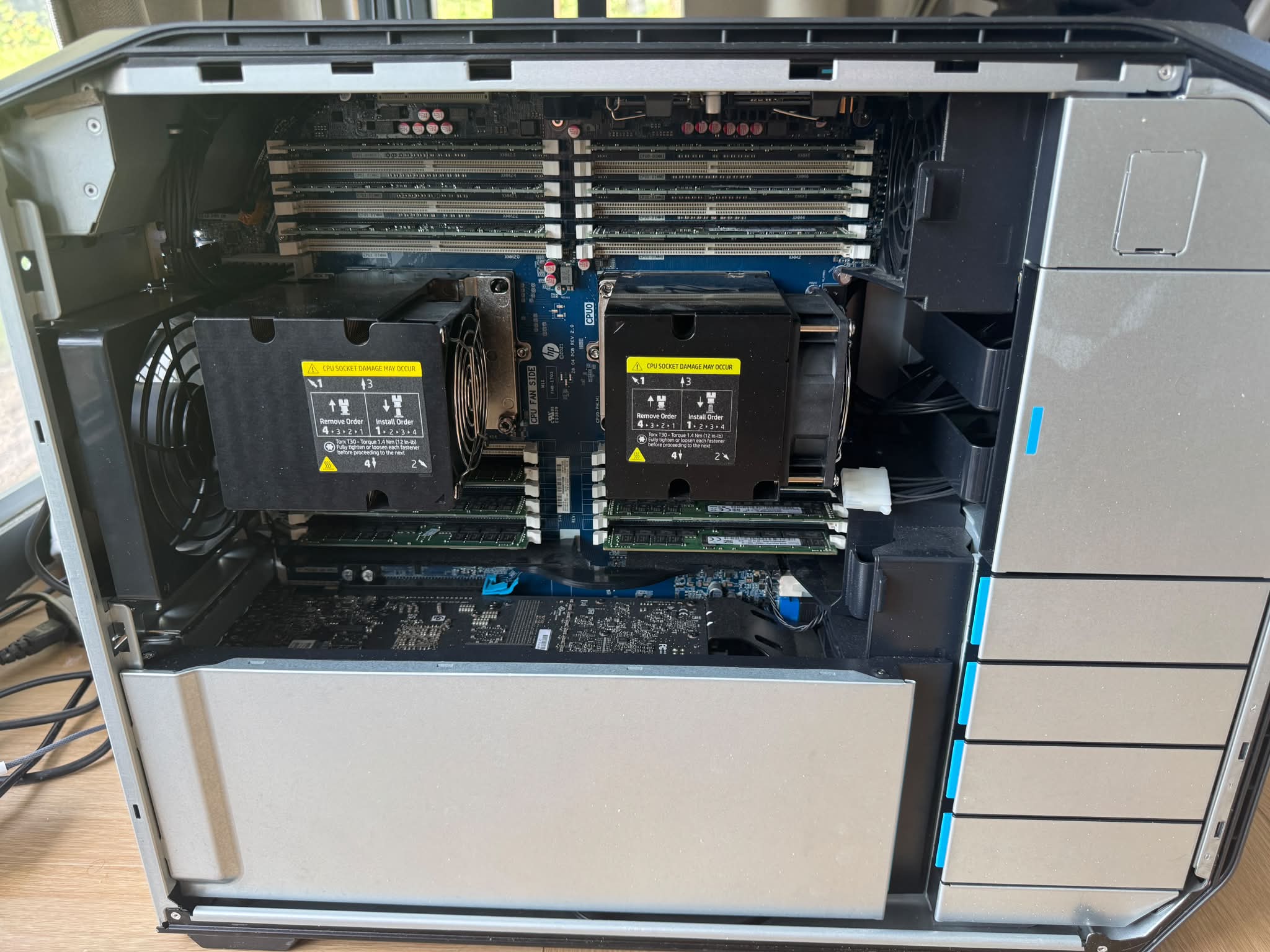
Running your CPU at 100% for days directly generates heat and accelerates hardware destruction. Laptop computer fans running at optimal speed continuously is not just annoying it's reducing your maker's life expectancy.
Your regional device stays free for content development, customer calls, and real work. Different SEO tools have vastly various resource requirements. Comprehending what each tool demands helps you choose the right VPS configuration and prevent spending for resources you do not require, or even worse, under-provisioning and debilitating your tools' efficiency. SEO Tool vCPU RAM Storage Bandwidth GSA Search Ranker 4+ cores 816 GB 100 GB+ SSD High (countless requests/min) Scrapebox 2+ cores 48 GB 50 GB SSD High (mass scraping) Yelling Frog 2+ cores 816 GB 50 GB SSD Moderate to High SEMrush/ Ahrefs regional tools 2+ cores 48 GB 50 GB SSD Moderate Numerous tools simultaneously 8+ cores 1632 GB 200 GB+ SSD High GSA is the most resource-hungry tool on this list.
Modernizing Your SEO Stack to Achieve Peak Performance
The RAM requirement scales straight with the number of active tasks and threads 50 jobs at 100 threads each is a basically various work than 10 tasks at 20 threads. GSA maintains big databases of target URLs, confirmed links, and project data.
Scrapebox is lighter on CPU and RAM than GSA but produces a massive number of concurrent network connections. When collecting URLs from online search engine or inspecting backlinks across countless domains, Scrapebox can open countless simultaneous connections. The traffic jam is generally bandwidth and connection quality rather than raw calculate power.
Crawling a 10,000-page website is a light-weight operation that any modern-day machine deals with quickly. Crawling a 2-million-page e-commerce website is a different story completely Yelling Frog loads crawl data into memory, so RAM usage scales linearly with the variety of URLs crawled. For big crawls, 16 GB of RAM is a practical minimum, and you may require more.
Fine-Tuning Server Performance to Increase Ranking ROI
No threat of your laptop computer going to sleep, losing Wi-Fi, or requiring a restart. You might wonder why not simply utilize a Linux VPS they're typically more affordable and utilize less resources.
There are no Linux ports, and running them through White wine or compatibility layers is unreliable at best. You need actual Windows Server with a genuine Windows desktop environment. Remote Desktop Protocol offers a total visual desktop experience. You see your tools running, monitor their development in genuine time, adjust settings, and connect with them exactly as you would on a regional PC.

On a properly provisioned VPS, your SEO tools get committed CPU cores, RAM, and storage that aren't shared with your e-mail, internet browser, video calls, and everything else running on your regional maker. GSA runs at complete speed 24/7 since nothing else is completing for resources.
Getting your SEO tools running on a VPS is straightforward. Here's the total procedure from purchasing to having your very first campaign running.
If you plan to run numerous tools concurrently say GSA plus Scrapebox plus Shrieking Frog arrangement 8+ cores and 16-32 GB of RAM. Head to the MassiveGRID Windows VPS configurator and pick your resources. A few essential things to note: If most of your SEO targets are US-based sites, choose New York for the most affordable latency to those targets.
Future-Proofing the Search Stack for Peak Performance
MassiveGRID offers four areas New york city, London, Frankfurt, and Singapore. Every MassiveGRID Windows VPS includes the Windows Server license no concealed licensing charges. You can select from Windows Server 2019, 2022, or 2025. You do not need to guess perfectly on day one. Start with a setup that matches your current needs, and include more RAM as your GSA tasks grow without altering your whole strategy.
After your VPS is provisioned (typically instantaneous), you'll receive the server's IP address and administrator credentials. Connect utilizing any RDP client: Press Win + R, type mstsc, get in the server IP Download Microsoft Remote Desktop from the App Shop Use Remmina or xfreerdp Microsoft Remote Desktop app for iOS/Android MassiveGRID consists of 2 concurrent RDP sessions on every Windows VPS, so you can have 2 employee connected simultaneously or keep one session active for monitoring while you work from another.
Download installers from the main vendor websites, run them, enter your license secrets, and set up. Import your project files and international website lists.
Crucial Server Metrics for SEO Performance
By default, it uses a conservative quantity of RAM. On a VPS devoted to SEO work, designate 75-80% of readily available RAM to Screaming Frog for big crawls.
Usage datacenter proxies for speed or domestic proxies when you require to prevent detection the option depends on your specific use case. Running proxies from a VPS in a professional information center is inherently more dependable than from a home connection. The stable, high-bandwidth connectivity suggests proxy connections drop less often, and your tools preserve greater success rates.